

AI Search Evolution
AI search has moved far beyond simple keyword matching into a dynamic, intent-driven system that understands context, language, and user behavior. Early search engines relied heavily on exact phrases and backlinks to rank pages, but modern AI-powered systems use natural language processing and machine learning to interpret what users actually mean. This shift has given rise to conversational queries, voice search, and AI-generated summaries that appear directly on results pages. Instead of scanning multiple links, users now receive clear, concise answers instantly, often reducing the need for further clicks. As a result, search is becoming more intuitive, efficient, and aligned with how people naturally communicate.
This evolution is also transforming the digital landscape for businesses, marketers, and content creators. Visibility is no longer just about ranking first on a results page; it’s about being included in AI-generated answers and trusted summaries. High-quality, authoritative, and well-structured content plays a critical role in this new ecosystem, as AI systems prioritize reliability and relevance. Additionally, personalization is becoming a key factor, with search experiences adapting to individual preferences, location, and past interactions. Looking ahead, AI search will continue to advance through deeper contextual understanding, real-time data processing, and agent-like capabilities, ultimately reshaping how information is discovered, delivered, and consumed.
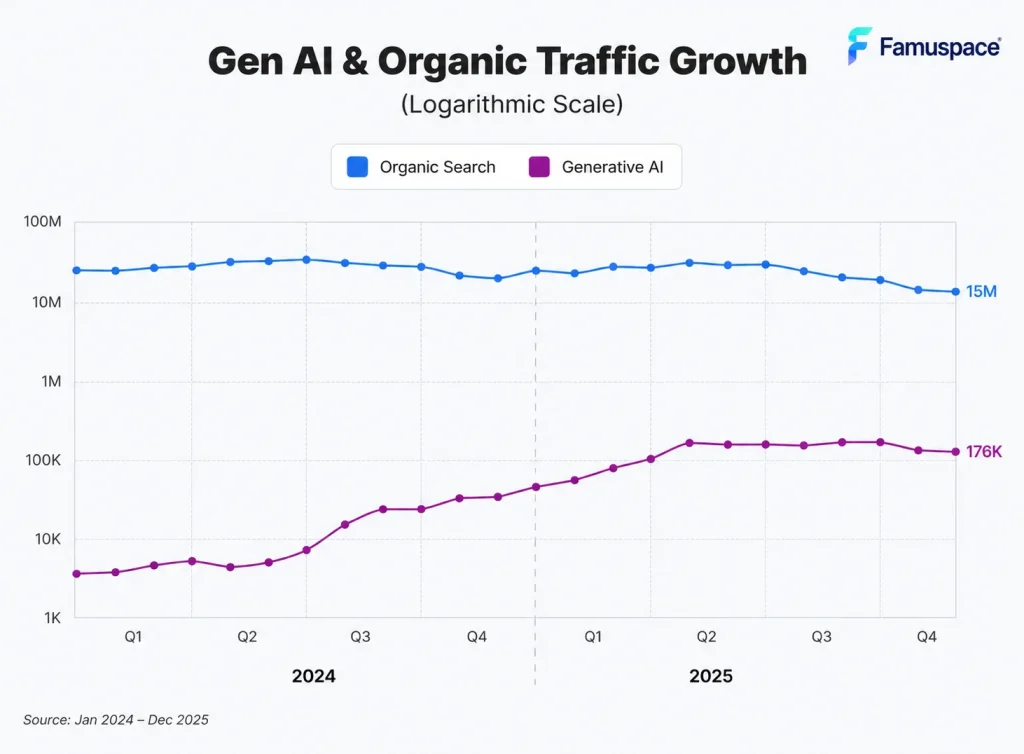
Future of AI Search
The future of AI search is centered on delivering faster, smarter, and more personalized information experiences that go beyond traditional result pages. Instead of acting as a tool that simply retrieves links, AI-powered search systems are evolving into intelligent assistants that understand user intent, context, and preferences in real time. With advancements in natural language processing and generative AI, users can interact through conversational queries, voice commands, and even multi-step tasks, receiving precise, summarized answers instantly. Search will increasingly become proactive—anticipating needs, integrating data from multiple sources, and providing actionable insights rather than just information. As this transformation continues, the focus will shift toward trust, accuracy, and user-centric design, redefining how people discover and interact with digital content.
- Users will rely more on natural, human-like conversations with search systems, making interactions smoother and more intuitive.
- AI will provide direct answers on the results page, reducing the need to visit multiple websites for information.
- Search results will adapt based on user behavior, preferences, location, and past interactions to deliver highly relevant content.
- Search systems will evolve into assistants capable of completing tasks like booking, researching, or summarizing complex topics.
- Reliable, authoritative, and well-structured content will become essential as AI prioritizes accuracy and credibility in its responses.
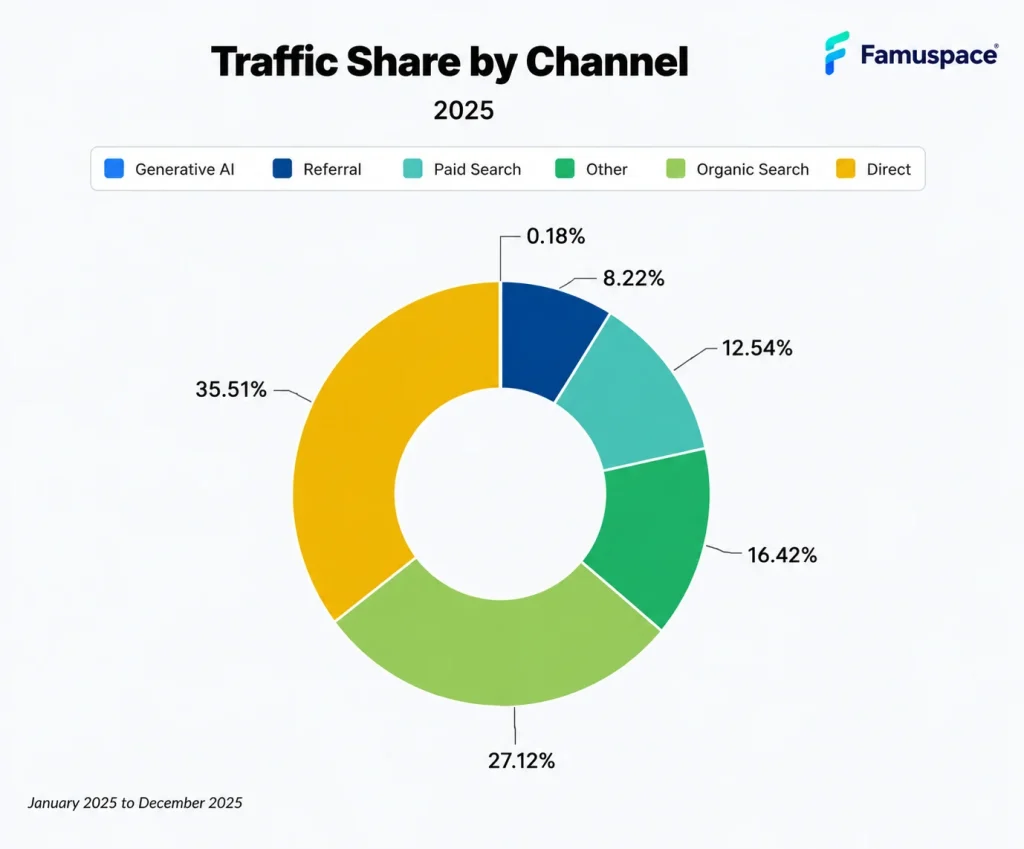
AI in Search Engines
Artificial intelligence has fundamentally transformed how search engines operate, shifting them from simple keyword-based systems to intelligent platforms that understand meaning, context, and user intent. Earlier search relied heavily on matching exact words and ranking pages based on backlinks, but modern AI-driven engines use technologies like natural language processing and machine learning to interpret queries more like a human would. This allows users to search in a more conversational way, using full sentences or questions instead of fragmented keywords. AI also powers features such as auto-suggestions, voice search, image recognition, and real-time language translation, making search faster, more intuitive, and accessible across different devices and user needs.
Beyond improving user experience, AI is also redefining how search results are generated and delivered. Instead of presenting a list of links, search engines now provide AI-generated summaries, featured snippets, and contextual answers directly on the results page. These systems analyze vast amounts of data to identify the most relevant and trustworthy information, prioritizing quality over quantity. For businesses and content creators, this means that success in search is no longer just about ranking high but about creating valuable, well-structured, and authoritative content that AI systems can easily understand and feature. As AI continues to evolve, search engines will become even more predictive and personalized, offering users highly tailored results and reshaping the way information is discovered online.
Smart Search Trends
Smart search is redefining how people find information by making search engines more intuitive, context-aware, and user-focused. Instead of relying solely on keywords, modern systems use artificial intelligence, natural language processing, and behavioral data to understand the true intent behind a query. This allows users to search in a more natural way—through full questions, voice commands, or even images—while receiving highly relevant and accurate results. Features like predictive search, auto-complete suggestions, and AI-generated summaries are becoming standard, helping users get quick answers without needing to browse multiple pages. As a result, search is evolving into a seamless experience that feels less like a tool and more like a conversation.
At the same time, smart search trends are driving significant changes in how content is created and delivered online. Personalization plays a major role, with search results adapting to individual preferences, location, and past behavior to provide tailored experiences. Additionally, the rise of zero-click searches means that users often find what they need directly on the results page, reducing reliance on traditional website visits. For businesses and content creators, this shift emphasizes the importance of producing high-quality, well-structured, and trustworthy content that aligns with user intent. Looking ahead, smart search will continue to evolve with deeper AI integration, enabling more proactive, predictive, and action-oriented search experiences that go beyond simply providing information.
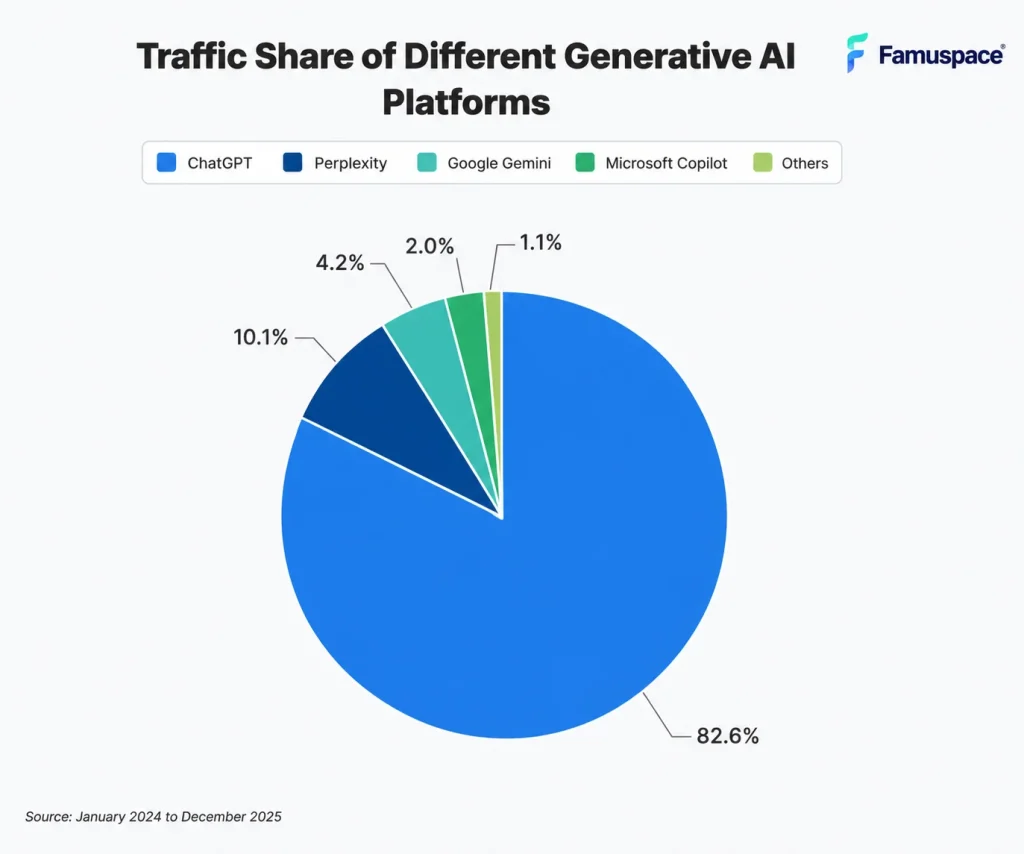
AI Search Behavior
At the same time, AI is shaping user expectations by delivering instant answers, personalized results, and predictive suggestions. Users increasingly rely on AI-generated summaries and zero-click results, often finding what they need without visiting multiple websites. This has reduced traditional browsing behavior and shifted focus toward efficiency and convenience. Additionally, personalization plays a key role, as AI systems analyze past searches, preferences, and location to refine future results. For businesses and content creators, understanding AI search behavior is essential, as success now depends on aligning content with user intent, providing clear and trustworthy information, and adapting to a search environment where visibility is driven by relevance rather than just ranking position.
AI search behavior reflects a major shift in how users interact with search engines, moving from short, keyword-based queries to more natural, conversational, and intent-driven interactions. With the rise of artificial intelligence and natural language processing, users are no longer limited to typing fragmented phrases; instead, they ask full questions, give context, and expect precise answers. This change is also influenced by voice search, chat-based interfaces, and AI assistants that make the search process feel more like a dialogue than a task. As a result, search behavior has become more intuitive and human-like, with users expecting faster responses, deeper understanding, and highly relevant results tailored to their specific needs.
Conversational Search Growth
Conversational search is rapidly transforming how users interact with technology, shifting the experience from static keyword queries to dynamic, human-like conversations. Powered by advancements in artificial intelligence and natural language processing, users can now ask complete questions, refine their queries in real time, and receive context-aware responses that feel more like a dialogue than a search task. This growth is driven by the widespread use of voice assistants, chat-based interfaces, and AI tools that understand intent, tone, and context across multiple interactions. As a result, search is becoming more intuitive, efficient, and personalized, allowing users to find accurate information faster while reducing the need to navigate multiple sources. This evolution is not only improving user experience but also redefining how information is delivered and consumed in the digital age.
- AI systems can now understand complex, context-rich queries, enabling more accurate and meaningful responses.
- Increased use of voice-enabled devices encourages users to interact with search in a more natural, conversational manner.
- Modern search systems can retain context across multiple queries, making conversations smoother and more relevant.
- Conversational search is embedded in apps, websites, and services, supporting tasks like shopping, customer support, and learning.
- Users prefer quick, direct answers without navigating multiple pages, driving the adoption of conversational interfaces.
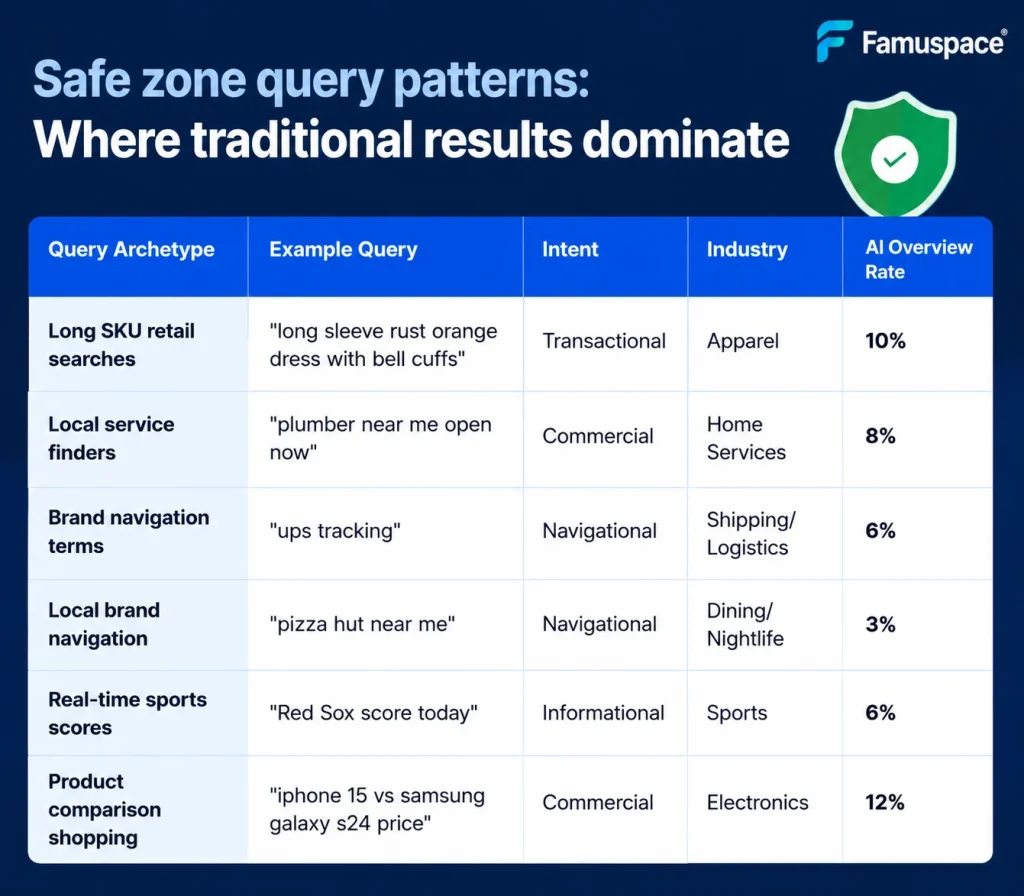
Generative Search Trends
Generative search is reshaping the way information is discovered by moving beyond traditional link-based results to AI-generated answers that summarize and synthesize content from multiple sources. Instead of requiring users to browse through several pages, generative AI delivers clear, contextual responses directly on the search interface, often tailored to the user’s intent and preferences. This approach leverages advanced machine learning models and natural language processing to understand complex queries, provide detailed explanations, and even generate recommendations or insights in real time. As generative search continues to evolve, it is making the search experience faster, more interactive, and highly personalized, while also changing how content is created, optimized, and consumed across the digital ecosystem.
- Intent-Based Results – AI understands what users mean, not just what they type, delivering more accurate answers.
- Conversational Experience – Search will feel like chatting with an assistant rather than entering queries.
- Personalization – Results will adapt based on user behavior, preferences, and history.
- Zero-Click Answers – More information will be provided instantly without needing to visit multiple websites.
- Multimodal Search – Users can search using text, voice, images, and even video for richer interactions.
Next-Gen Search AI
Next-generation search AI represents a major leap from traditional search systems, transforming them into intelligent, context-aware assistants that go far beyond retrieving information. These advanced systems leverage cutting-edge technologies like deep learning, natural language understanding, and generative AI to interpret complex queries, recognize user intent, and deliver precise, meaningful responses. Instead of relying on static keywords, next-gen search enables users to interact through conversations, voice commands, and even visual inputs, creating a more natural and intuitive experience. It also integrates real-time data processing, allowing users to receive up-to-date insights, recommendations, and solutions instantly, making search faster, smarter, and more efficient.