

AI Overviews Explained
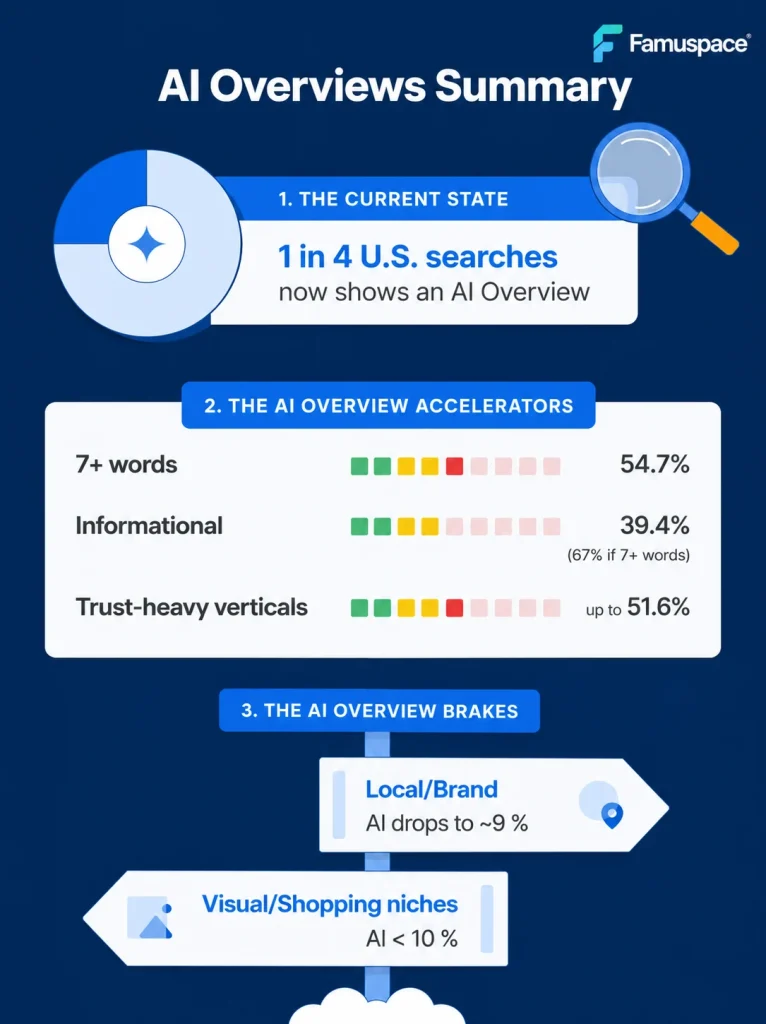
AI Overviews are a new way search engines present information, using advanced artificial intelligence to generate clear, summarized answers directly on the results page. Instead of showing only a list of links, AI analyzes multiple sources, understands the intent behind a user’s query, and delivers a concise overview that highlights the most relevant points. This approach saves time, reduces the need to visit multiple websites, and creates a more conversational, human-like search experience. By combining natural language processing and real-time data analysis, AI Overviews help users quickly grasp complex topics, compare information, and make informed decisions with minimal effort.
From a business and content perspective, AI Overviews are reshaping how visibility and engagement work online. Traditional SEO strategies focused on ranking web pages are evolving, as users increasingly get answers without clicking through to individual sites. This shift pushes brands and creators to produce high-quality, authoritative, and well-structured content that AI systems can easily interpret and reference. It also emphasizes the importance of credibility, context, and user intent in digital strategy. As AI Overviews continue to grow, they are not just enhancing search—they are redefining how information is discovered, consumed, and trusted in the digital world.
Future of AI Search
The future of AI search is moving beyond simple keyword-based queries toward intelligent, conversational systems that understand context, intent, and user behavior in real time. Instead of forcing users to refine searches repeatedly, AI-driven platforms will anticipate needs, provide direct answers, and offer personalized results across devices and applications. With advancements in natural language processing, machine learning, and generative AI, search is becoming more interactive, predictive, and human-like. This evolution not only improves efficiency and user experience but also transforms how information is accessed, trusted, and utilized, making search a seamless part of everyday digital interactions.
- Intent-Based Results – AI understands what users mean, not just what they type, delivering more accurate answers.
- Conversational Experience – Search will feel like chatting with an assistant rather than entering queries.
- Personalization – Results will adapt based on user behavior, preferences, and history.
- Zero-Click Answers – More information will be provided instantly without needing to visit multiple websites.
- Multimodal Search – Users can search using text, voice, images, and even video for richer interactions.
AI-Powered Search Insights
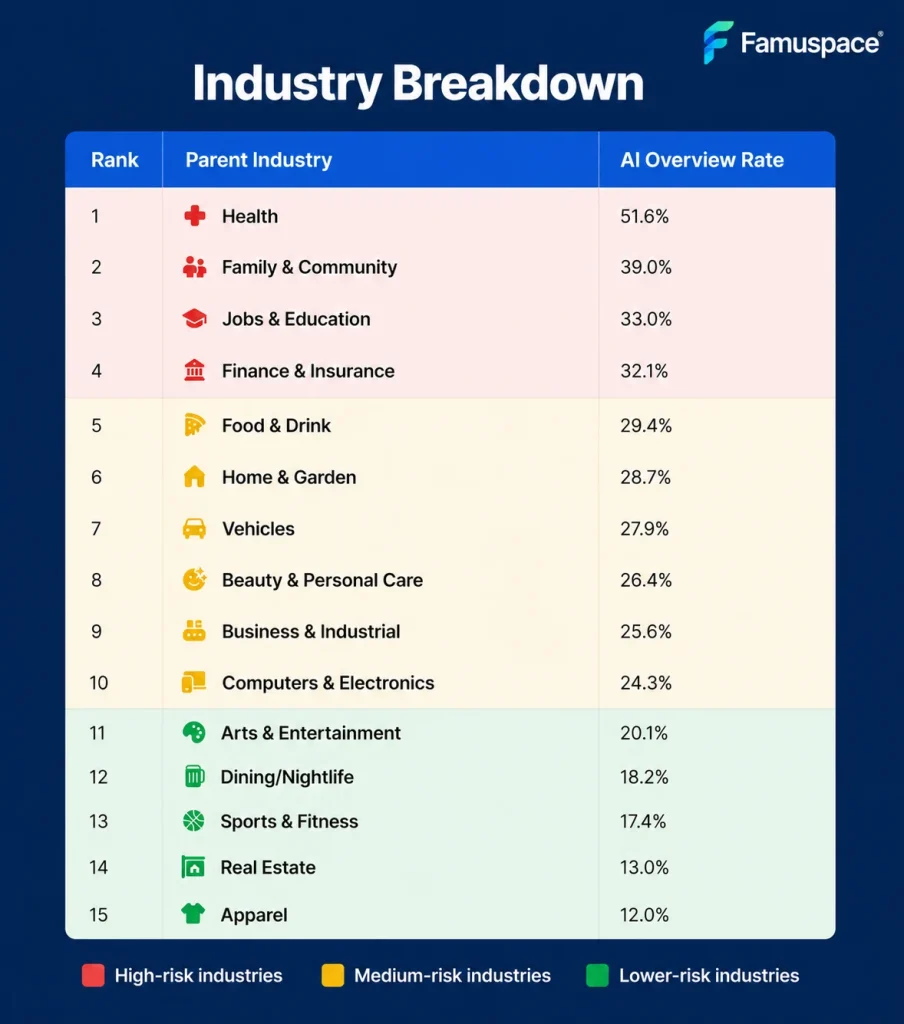
AI-powered search insights refer to the ability of modern search systems to go beyond surface-level results and uncover deeper patterns, meanings, and connections within data. By combining technologies like natural language processing, machine learning, and data analytics, AI can interpret user queries with greater accuracy and context. Instead of simply matching keywords, it understands intent, sentiment, and relevance, delivering results that are more precise and meaningful. This allows users to gain quicker clarity on complex topics, discover hidden relationships between information, and receive summarized insights that would otherwise require extensive research.
From a strategic and business perspective, AI-powered search insights are transforming how decisions are made and how content is created. Organizations can analyze search behavior, user trends, and engagement patterns to better understand their audience and optimize their digital presence. These insights help identify what users are truly looking for, enabling brands to create targeted, high-value content that aligns with real needs. At the same time, AI continuously learns and improves, ensuring that search results become more accurate and relevant over time. As a result, AI-powered search is not just a tool for finding information—it is becoming a powerful engine for knowledge discovery, innovation, and data-driven growth.
AI Overviews in SEO
AI Overviews are reshaping the foundation of search engine optimization by shifting the focus from ranking pages to being included in AI-generated answers. Instead of users clicking through multiple links, search engines now present summarized responses that pull information from various trusted sources. This means SEO is no longer just about keywords and backlinks—it’s about creating content that is clear, authoritative, and easily understood by AI systems. Structured information, semantic relevance, and context-rich writing have become essential, as AI prioritizes content that directly answers user intent in a concise and reliable way.
From a strategic perspective, AI Overviews are driving a major change in how brands approach visibility and traffic. While traditional organic clicks may decline due to zero-click results, opportunities are growing for brands that position themselves as credible sources of information. High-quality content, topical authority, and strong E-E-A-T (Experience, Expertise, Authoritativeness, Trustworthiness) signals play a crucial role in being featured within AI summaries. Businesses must also focus on content depth, accuracy, and user value rather than volume alone. As AI Overviews continue to evolve, SEO is becoming more about influence and information quality than just rankings, pushing brands to adopt smarter, more user-centric content strategies.
Smart Search with AI
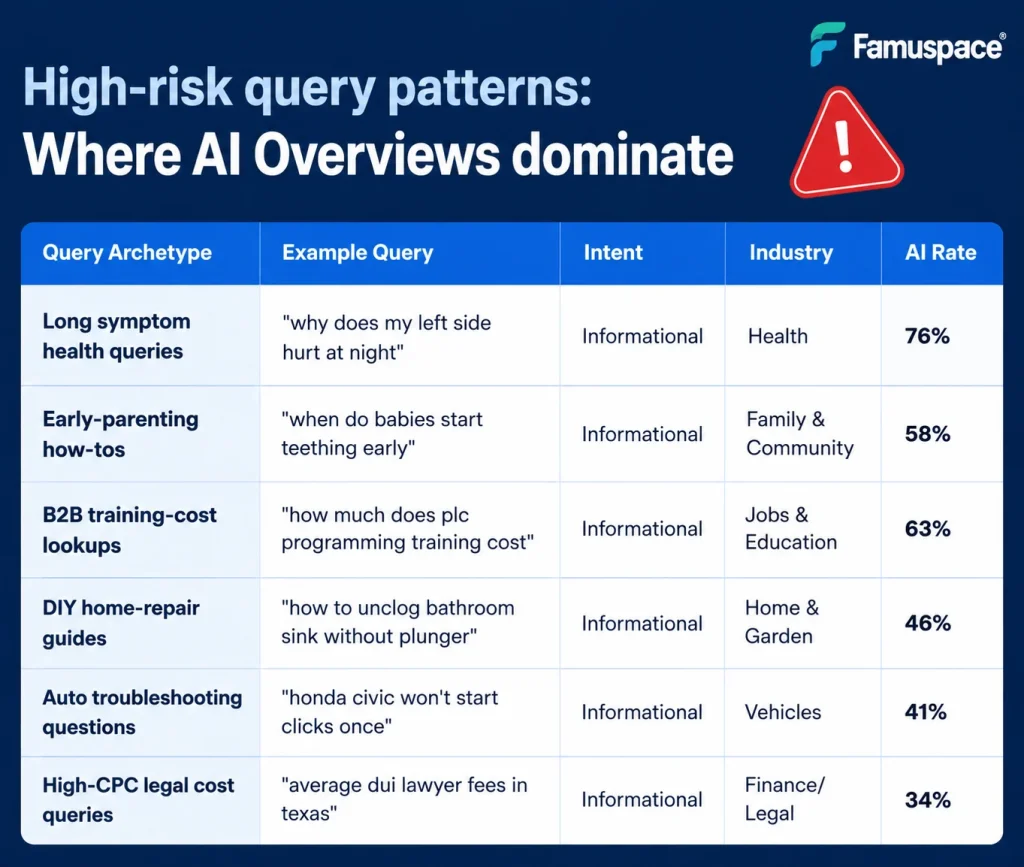
Smart search with AI represents a major shift from traditional keyword-based queries to intelligent, context-aware interactions that understand what users truly mean. By leveraging technologies like natural language processing and machine learning, AI can interpret intent, recognize patterns, and deliver highly relevant results in real time. Instead of scanning through multiple links, users receive direct, structured answers that are easier to understand and act upon. This creates a faster, more intuitive search experience where information feels personalized, conversational, and aligned with individual needs.
From a broader perspective, smart AI search is transforming how people discover and engage with information across digital platforms. It enables seamless interactions across text, voice, and visual inputs, allowing users to search in the way that feels most natural to them. For businesses and content creators, this evolution demands a stronger focus on clarity, quality, and user intent, as AI prioritizes content that provides real value and trustworthy insights. As these systems continue to improve, smart search is becoming not just a tool for finding answers, but a powerful assistant that enhances decision-making, productivity, and everyday digital experiences.
AI Overviews Impact
AI Overviews are significantly changing how users interact with search engines by delivering instant, summarized answers at the top of results pages. This reduces the need to click through multiple links, making information access faster and more efficient. However, this shift also impacts how websites gain visibility, as traditional organic traffic patterns are evolving. Businesses, marketers, and content creators must now focus on producing high-quality, authoritative, and well-structured content that AI systems can easily interpret and feature. Overall, AI Overviews are redefining the balance between user convenience and digital visibility, pushing the entire search ecosystem toward more meaningful, intent-driven content.
- Reduced Click-Through Rates – Users often get answers directly, leading to fewer website visits.
- Higher Content Standards – Only accurate, trustworthy, and well-structured content gets featured.
- Shift in SEO Strategy – Focus moves from rankings to relevance and authority.
- Faster User Experience – Information is delivered instantly, improving efficiency.
- Increased Competition for Visibility – Brands must work harder to be included in AI-generated summaries.
Next-Gen Search AI
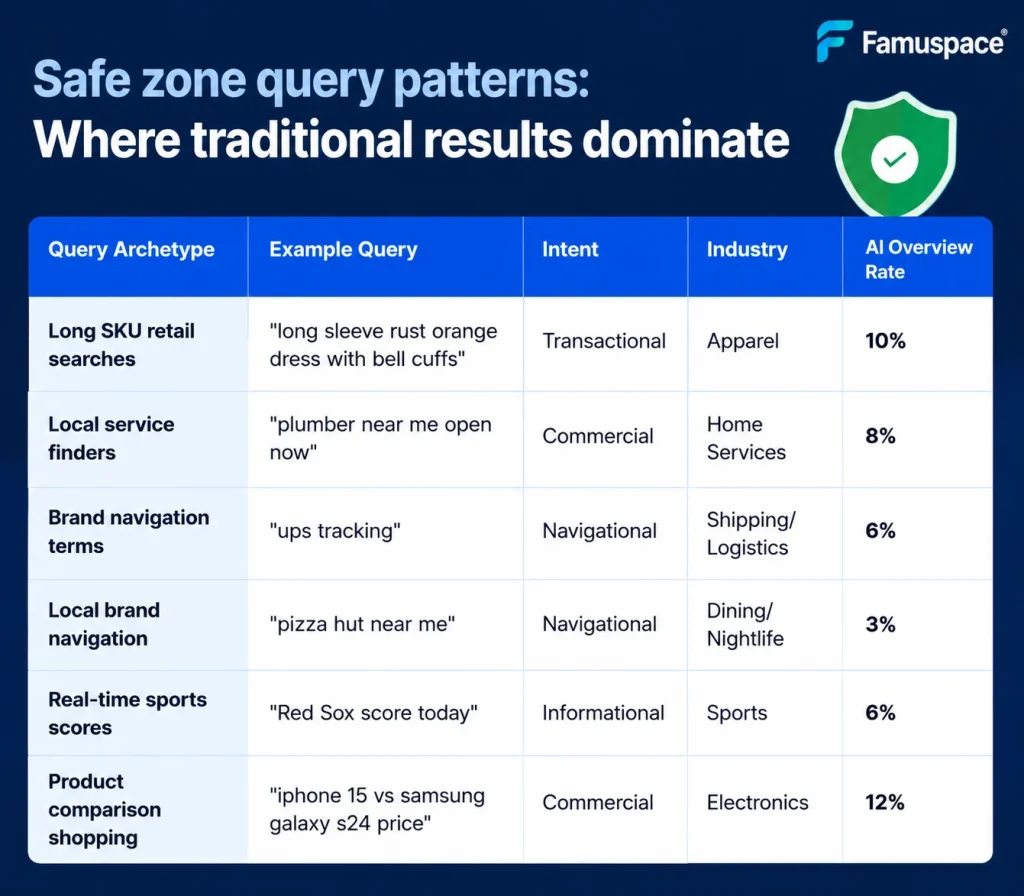
Next-generation search AI represents the evolution of search from static, keyword-based systems to dynamic, intelligent platforms that understand context, intent, and user behavior in real time. Powered by advances in machine learning, natural language processing, and generative AI, these systems go beyond simply retrieving information—they interpret questions, generate meaningful answers, and adapt to individual user preferences. This creates a more interactive and human-like experience, where search becomes faster, more accurate, and deeply personalized. As a result, users can access relevant insights with minimal effort, while businesses must rethink how they create and structure content to stay visible in an AI-driven ecosystem.
- Context Awareness – Understands user intent and delivers more precise results.
- Conversational Interaction – Enables natural, back-and-forth search experiences.
- Real-Time Adaptation – Continuously learns from user behavior and data trends.
- Personalized Results – Tailors answers based on user preferences and history.
- Multi-Format Search – Supports text, voice, images, and video for richer discovery.
AI Search Evolution
AI search evolution reflects the transformation of search engines from simple keyword-matching tools into intelligent systems that understand language, context, and user intent. In the early stages, search relied heavily on exact keywords and basic algorithms, often requiring users to refine queries multiple times to find relevant results. With the introduction of machine learning and natural language processing, search engines became more capable of interpreting meaning rather than just matching words. Today, AI-driven search can analyze vast amounts of data, recognize patterns, and deliver precise, context-aware answers, making the search experience faster, smarter, and more intuitive.