

Conversational Search Trends
Conversational search is rapidly transforming how people interact with information by shifting from keyword-based queries to natural, dialogue-driven experiences. Powered by advances in AI and natural language processing, modern search systems can understand context, intent, and even follow-up questions within the same conversation. Users now expect faster, more precise answers rather than a list of links, leading to the rise of voice assistants, chat-based interfaces, and AI-driven search engines. This trend is making search more intuitive and human-like, allowing individuals to communicate with technology as they would with another person.
Another key trend is the growing integration of conversational search across industries such as e-commerce, customer support, and digital marketing. Businesses are leveraging conversational AI to deliver personalized recommendations, improve customer engagement, and streamline user journeys. Additionally, conversational search is influencing SEO strategies, with a stronger focus on long-tail keywords, question-based content, and semantic search optimization. As technology continues to evolve, conversational search is expected to become more context-aware, multilingual, and capable of delivering highly tailored, real-time results that enhance both user experience and business outcomes.
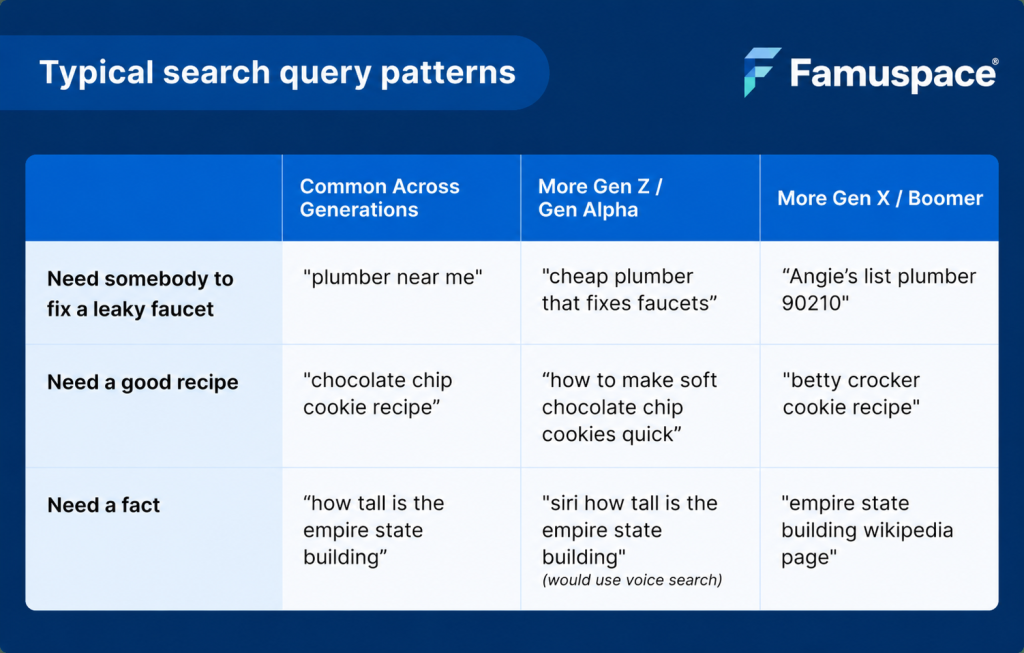
Future of Conversational Search
The future of conversational search is centered on creating more human-like, intelligent, and context-aware interactions between users and technology. As AI and natural language processing continue to advance, search systems will move beyond answering simple queries to understanding deeper intent, emotions, and multi-step conversations. Users will increasingly rely on voice assistants and chat-based platforms to perform complex tasks such as shopping, booking services, and decision-making in real time. This evolution will make search faster, more personalized, and seamlessly integrated across devices, transforming it into a proactive assistant rather than just a reactive tool.
- Hyper-Personalization – Search results tailored based on user behavior, preferences, and past interactions
- Voice-First Experience – Increased use of voice assistants for hands-free, natural communication
- Context Awareness – Ability to remember previous queries and provide more relevant follow-up answers
- Multilingual Capabilities – Real-time translation and support for multiple languages in conversations
- Predictive Search – AI anticipates user needs and provides suggestions before queries are fully made
Average query length (words)
AI in Conversational Search
Artificial intelligence is the backbone of conversational search, enabling systems to understand and respond to human language in a natural and meaningful way. Through technologies like natural language processing (NLP) and machine learning, AI can interpret user queries beyond simple keywords, capturing intent, context, and even nuances such as tone or phrasing. This allows search platforms to deliver more accurate, relevant, and conversational responses rather than just displaying a list of links. AI-driven chatbots and virtual assistants are continuously learning from user interactions, improving their ability to handle complex questions, follow-up queries, and dynamic conversations over time.
In addition, AI is driving innovation in personalization and real-time decision-making within conversational search. By analyzing user behavior, preferences, and historical data, AI systems can tailor responses to individual needs, making the search experience more efficient and engaging. Advanced AI models also enable features like voice recognition, sentiment analysis, and multilingual support, allowing users to interact seamlessly across different languages and devices. As AI continues to evolve, conversational search will become more intuitive, predictive, and capable of delivering highly contextualized information, ultimately redefining how users access and interact with digital content.
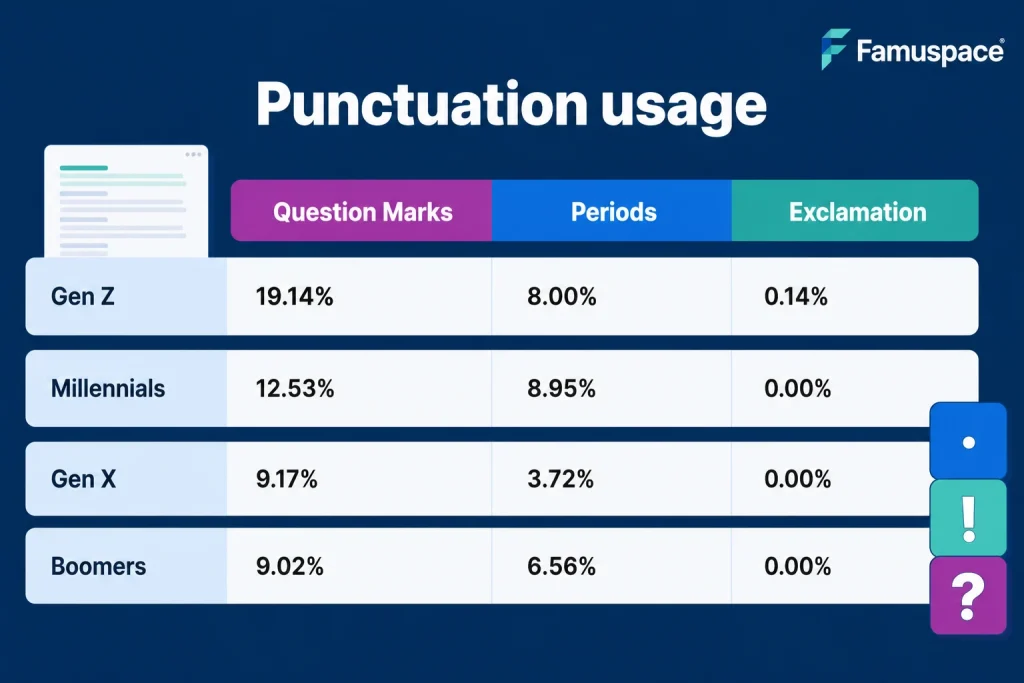
Questions vs commands (% phrased as questions)
Conversational Search Systems
Conversational search systems are designed to enable users to interact with search engines through natural, human-like dialogue rather than traditional keyword-based queries. These systems combine technologies such as natural language processing (NLP), machine learning, and speech recognition to understand user intent, context, and conversational flow. Instead of delivering a list of links, they provide direct, relevant answers and can handle follow-up questions within the same interaction. This makes the search experience more intuitive, efficient, and aligned with how people naturally communicate, especially through chat interfaces and voice assistants.
Modern conversational search systems are increasingly being adopted across industries to improve user engagement and streamline information access. In sectors like e-commerce, healthcare, and customer support, these systems help users find information quickly, receive personalized recommendations, and complete tasks with minimal effort. They also continuously learn from interactions, improving accuracy and responsiveness over time. As these systems evolve, they are becoming more context-aware, multilingual, and capable of integrating with various digital platforms, making them a key component in the future of intelligent search and user experience design.
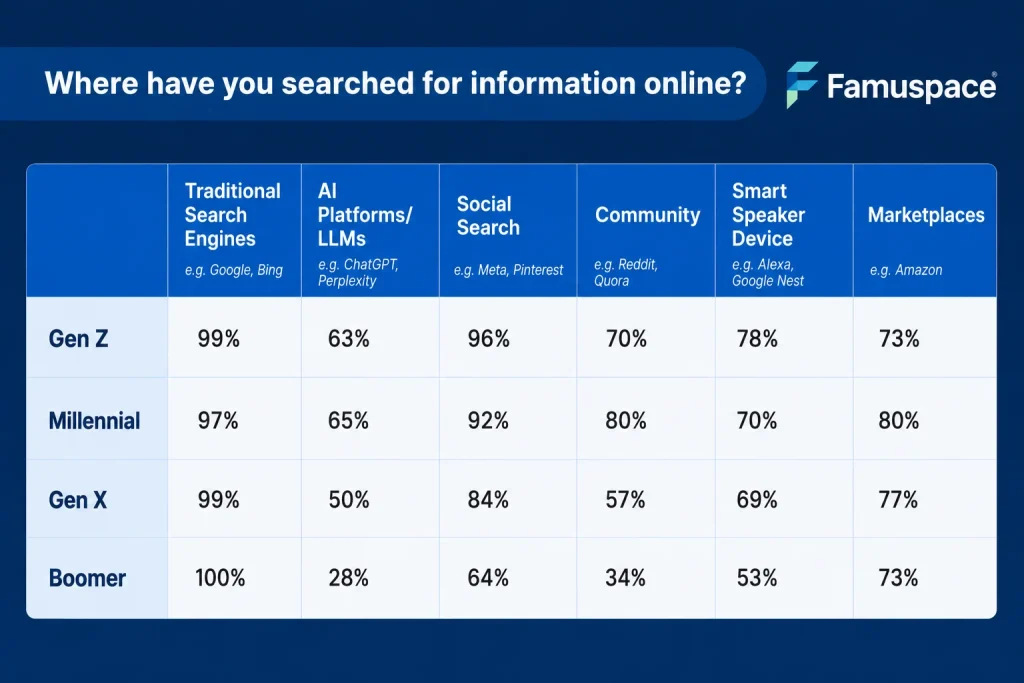
Conversational Search UX
Conversational search UX (user experience) focuses on designing intuitive, human-like interactions that make it easy for users to ask questions and receive meaningful answers. Instead of relying on rigid keywords, users engage with search systems through natural language, which requires interfaces that support clarity, guidance, and seamless dialogue flow. A well-designed conversational UX anticipates user intent, offers helpful prompts or suggestions, and delivers concise, relevant responses. Elements such as quick replies, voice input, and contextual follow-ups play a crucial role in reducing friction and making the experience feel smooth and engaging.
An effective conversational search UX also emphasizes personalization, accessibility, and continuous improvement. By analyzing user behavior and preferences, systems can tailor responses and recommendations, creating a more relevant and satisfying experience. Accessibility features like multilingual support and voice interaction ensure that a wider range of users can interact comfortably. Additionally, ongoing optimization through user feedback and data insights helps refine the conversation flow, improve accuracy, and enhance overall usability. As conversational technologies evolve, UX design will remain critical in ensuring that these systems are not only intelligent but also user-friendly and efficient.
Smart Search Conversations
Smart search conversations represent the next step in search evolution, where users interact with systems through intelligent, context-aware dialogue instead of static queries. These systems leverage AI and natural language processing to understand intent, maintain conversation flow, and deliver precise, relevant responses in real time. Rather than requiring users to refine searches repeatedly, smart conversational systems adapt dynamically, ask clarifying questions, and provide personalized results. This approach creates a more efficient, engaging, and human-like search experience across platforms such as chatbots, voice assistants, and digital interfaces.
- Context Retention – Remembers previous queries to provide accurate follow-up responses
- Dynamic Interaction – Engages users with real-time, two-way communication
- Intent Understanding – Accurately interprets user needs beyond simple keywords
- Personalized Results – Delivers responses based on user behavior and preferences
- Cross-Platform Use – Works seamlessly across mobile, web, and voice-enabled devices
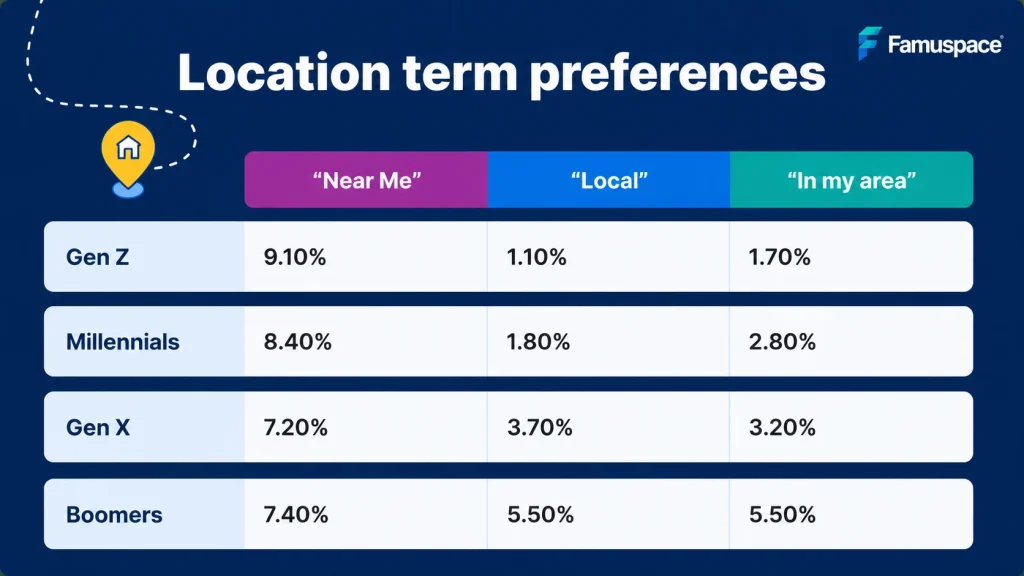
Next-Gen Search Experience
The next-generation search experience is transforming how users find information by combining artificial intelligence, conversational interfaces, and real-time data to deliver faster and more accurate results. Instead of relying on traditional keyword searches, modern systems understand user intent, context, and behavior to provide direct, personalized answers. With features like voice search, smart recommendations, and seamless multi-device integration, search is becoming more intuitive and interactive, creating a smoother and more engaging user journey.
- AI-Powered Results – Delivers smarter, more accurate answers based on intent
- Voice & Visual Search – Supports multiple ways to search beyond typing
- Real-Time Responses – Provides instant and up-to-date information
- Personalized Experience – Tailors results based on user preferences and history
- Seamless Integration – Works across mobile, web, and smart devices effortlessly
Conversational AI Search
Conversational AI search refers to the use of artificial intelligence to enable users to interact with search systems through natural, human-like conversations. Instead of typing short keywords, users can ask complete questions and receive direct, context-aware answers. This approach relies on technologies such as natural language processing (NLP), machine learning, and large language models to understand intent, interpret context, and generate meaningful responses. By supporting multi-turn conversations and follow-up queries, conversational AI search creates a more intuitive and efficient way to access information across chat interfaces, voice assistants, and digital platforms.
As conversational AI search continues to evolve, it is transforming how users discover and interact with content online. Businesses are adopting these systems to enhance customer engagement, provide instant support, and deliver personalized experiences at scale. It also plays a significant role in modern SEO strategies, where content is increasingly optimized for question-based queries and conversational intent. With advancements in AI, conversational search is becoming more accurate, multilingual, and capable of predictive responses, ultimately shaping a future where search feels less like a tool and more like an intelligent assistant.